May 11th – 17th Daily Creates
#tdc5214 #ds106 #dailycreate Two Dots Make a Face :
For this daily create, the intent was to take a photo of something in the world that has two objects acting as the “eyes” of a face. Afterwards, you were meant to think about what the face might be thinking based off of the photo. A set of eyes that I witnessed at home was an electrical outlet. In fact, I spotted two faces!
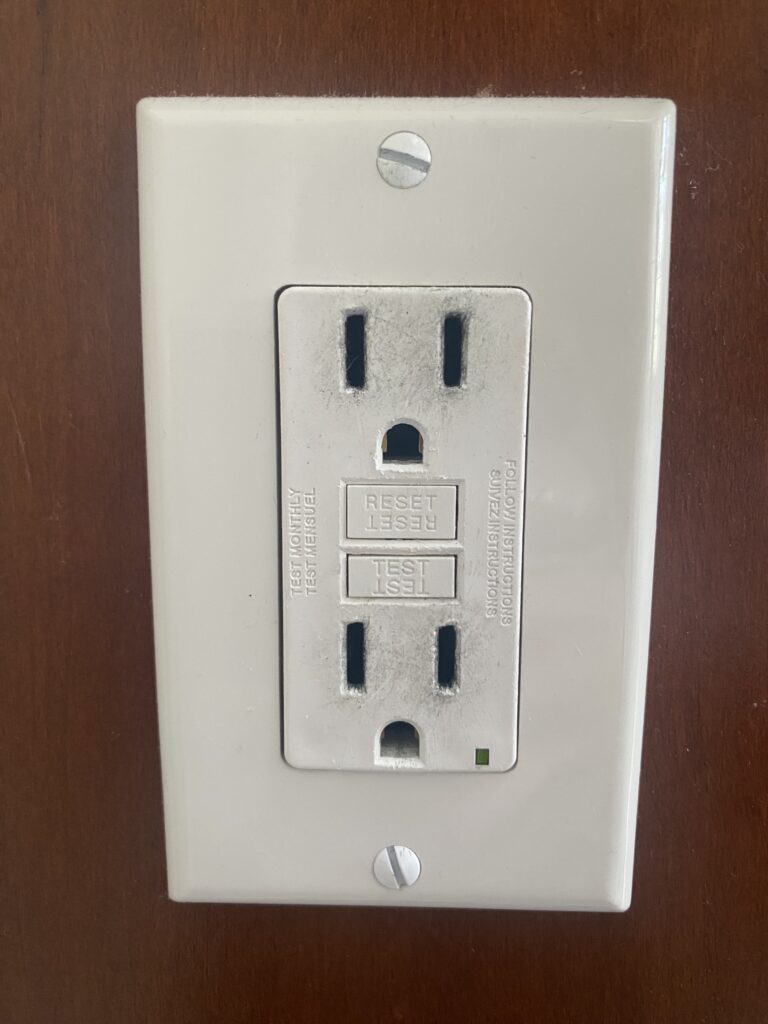
I think that each outlet would probably be thinking about how squished they are being stacked on top of each other. They might be feeling quite claustrophobic…
This activity is directly related to Mayer’s Cognitive Theory of Multimedia Learning. Specifically, it encapsulates the dual coding theory. Placing the text nearby the image allows the audience to interpret both the written words and the image. This provides opportunity for individuals to make connections between the two media types, and gain insight into what the outlet might be “thinking”. Additionally, I believe that this daily create may use storytelling and personality to enhance the reader’s understanding. Due to the lighthearted nature of the statement, the use of imagination within this context allows individuals to think as though they were the outlet, based off of the image.
#tdc5197 #ds106 #dailycreate Animals, you so funny. Pick one photo and write its back story
This daily create prompted you to use an image of an animal (specifically this one taken by Andy Howard was listed) and come up with a dialect about it’s backstory. I decided to playfully tell a tale about this mountain hare.

Hi! My name is Mare the hare! When I’m not sniffing around or looking for delicious leafy greens to munch on, I am hard at work. Specifically, my job is to create tunnels for myself and other hare civilians to live in. Collectively, we have quite a network places to be underground!
For this activity, I think it follows the theory of multimedia learning, but specifically the personalization principle. This is because, as if I were taking the perspective of the animal, it’s backstory is very casual and conversational, taking a first person perspective. Rather than formal writing, the storytelling aspect makes the scenario more interactive and easier to visualize. Additionally, I also think that this activity showcases the dual coding theory, as individuals must process both the text and image to gain a general sense of the story.
#tdc4496 #ds106 Words Written In Rust
This daily create prompted me to use a generator to create an image of a word written in rust. The activity allowed me to be creative and have some fun to create an image that was interactive for the reader.
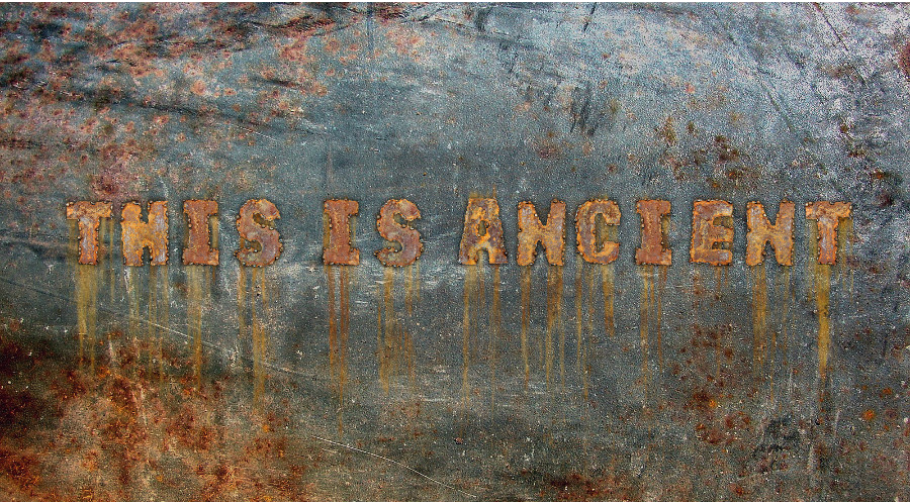
Once again, the dual coding theory is present within this image. The use of non-verbal processing and verbal processing to create an interactive and interesting sensory experience for individuals to process ideas and visual displays is present. Having both text and images can be more efficient in regards to comprehension, and I think that the phrase “this is ancient” along with having the text being imprinted in rust firmly asserts the idea of the phrase being old. Using imagery to portray this idea was optimal!